
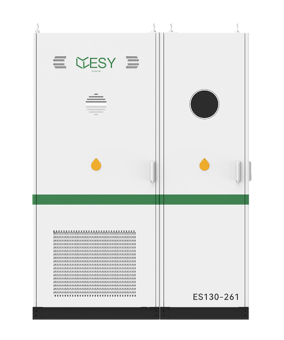
A modular battery system makes 5kW ESS upgrades easier by allowing homeowners to increase storage capacity without replacing the entire energy system. Compared with fixed battery packs, modular designs support expansion from 5kWh to 10kWh, 15kWh, or more through additional battery units. This reduces installation time, keeps existing inverters available, and helps residential users adapt to changing electricity needs after the initial installation.
Residential energy storage systems are increasingly designed around flexible capacity because household electricity use often changes after installation. A family may start with a smaller battery and later add an electric vehicle, heat pump, or additional solar panels. According to residential storage market reports published between 2023 and 2025, more than 50% of new home ESS buyers consider future expansion when selecting battery systems.
Traditional fixed-capacity batteries require users to replace the whole battery unit when more storage is needed. This process may involve removing old equipment, changing wiring layouts, and configuring new communication settings. Modular batteries use separate battery packs that can be connected together, allowing storage capacity to grow while keeping the existing system structure.
A 5kW ESS with modular batteries can often expand from 5kWh to 20kWh by adding compatible battery modules instead of replacing the original storage unit.
The connection between inverter output and battery capacity is an important part of system planning. A 5kW solar inverter is commonly used in residential applications because it matches typical household power requirements and supports daily solar energy use. When users need more stored energy, increasing battery capacity is usually more practical than replacing the inverter.
A modular battery system separates power output from energy storage size. The inverter determines how much power can be delivered at one time, while battery modules determine how long the system can provide energy. For example, a 5kW inverter paired with a 5kWh battery may provide short backup periods, while the same inverter with a 15kWh battery can support longer operation during outages.
More information about residential modular ESS solutions can be found through this example product platform: 5kW solar inverter.
Battery management technology allows multiple modules to operate as one system. Each module includes monitoring circuits that measure voltage, current, temperature, and state of charge. The battery management system (BMS) collects this information and adjusts charging and discharging conditions.
For residential systems installed after 2020, CAN communication has become one of the most common methods for battery-inverter communication. A well-designed BMS can maintain module voltage differences within approximately 20–50mV during balanced operation, helping different battery units work together efficiently.
The ability to add battery modules gradually also changes how homeowners plan storage purchases. Instead of buying the largest battery size at the beginning, users can install a smaller system based on current electricity consumption and increase capacity later.
A typical upgrade path may look like this:
| Installation Stage | Battery Capacity | Typical Application |
|---|---|---|
| Initial installation | 5kWh | Basic backup and solar self-use |
| First upgrade | 10kWh | Longer evening energy supply |
| Second upgrade | 15kWh | Higher household electricity demand |
| Full expansion | 20kWh+ | Extended backup and EV charging support |
This step-by-step approach is especially useful because household energy patterns usually change over several years. A battery system installed in 2024 may face different requirements by 2030 due to electric vehicle charging, new appliances, or changes in electricity pricing.
The physical design of modular batteries also simplifies installation. Stackable battery systems allow additional units to be placed on top of existing modules, while rack-mounted systems provide more flexibility in garages, utility rooms, and small commercial spaces.
Many residential LFP battery modules use capacities between 2.5kWh and 5kWh. A 2024 generation battery module with LiFePO4 chemistry can typically achieve more than 6,000 charge cycles under standard operating conditions, which supports around 10–15 years of daily use depending on temperature, charging depth, and operating strategy.
Modular storage allows the battery size to change while the main electrical equipment remains in service.
Maintenance is also easier because individual modules can be inspected separately. If one battery unit shows abnormal temperature or reduced performance, technicians can check that module without removing the complete storage system.
In fixed battery systems, a problem inside the battery pack may require replacing the entire unit. Modular designs reduce this requirement because each module has independent monitoring and protection functions.
Thermal control becomes more important as battery capacity increases. Residential battery modules normally operate within a temperature range of about -10°C to 50°C, while many manufacturers recommend keeping normal operation between 15°C and 35°C to maintain longer cycle life.
When several modules are installed together, the BMS manages charging current distribution to prevent one module from reaching full charge or empty state earlier than others. Proper balancing can keep differences between modules within approximately 2–5% during normal operation.
The financial advantage of modular storage comes from reducing unnecessary initial capacity. A homeowner who currently uses 8kWh of electricity per day may not need a 20kWh battery immediately. Starting with 5kWh and adding modules later allows spending to follow actual energy demand.
Electric vehicle adoption is another factor increasing storage requirements. Many EV charging sessions consume 10–30kWh depending on vehicle battery size and charging level. A modular ESS allows homeowners to increase storage capacity without replacing their existing inverter system.
Time-of-use electricity pricing also encourages larger battery installations. In regions where electricity prices are higher during evening hours, additional battery modules can store more daytime solar power and provide energy later. Between 2022 and 2025, many residential markets introduced pricing programs that encouraged households to increase self-consumption rates.
Safety design is included in modern modular battery systems through multiple protection layers. These include over-voltage protection, over-current protection, short-circuit protection, temperature monitoring, and communication fault detection.
LiFePO4 chemistry is widely selected for residential modular batteries because of its thermal stability and long cycle performance. Compared with some other lithium battery chemistries, LFP batteries generally provide improved safety characteristics for stationary storage applications.
Software functions are also becoming more important. Modern ESS platforms can record battery performance data, estimate remaining capacity, and provide maintenance information through monitoring systems. Some systems can automatically adjust charging schedules according to solar production forecasts and electricity prices.
The modular approach also supports future technology upgrades. A household that installs a 5kW ESS today may later add larger solar arrays, smart energy management systems, or additional battery modules without redesigning the entire setup.
A scalable battery architecture allows residential energy storage systems to grow with household electricity needs over years of operation.
For homeowners, installers, and energy providers, modular batteries provide a practical method for expanding storage capacity. The combination of flexible sizing, easier installation, independent module management, and compatibility with existing 5kW systems makes modular ESS technology suitable for long-term residential energy planning.